Understanding Football Penalty Shootout Rules in Knockout Matches

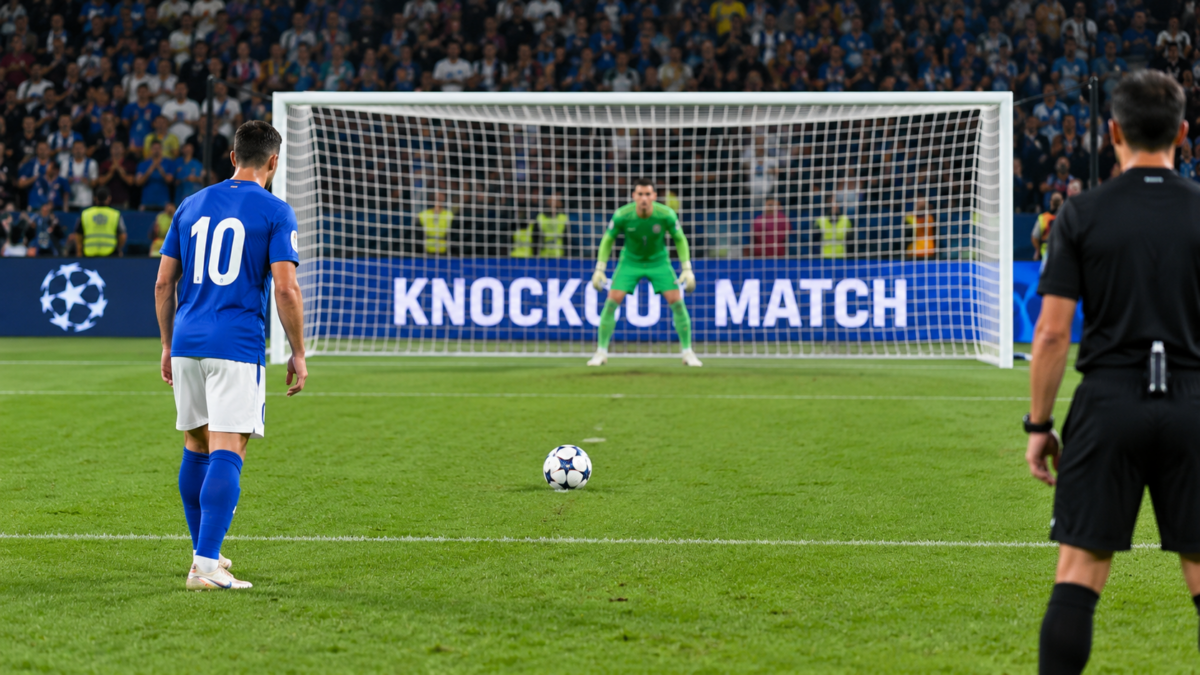
Knockout football matches often produce some of the most dramatic moments in the sport. When two teams remain level after the permitted playing time, a penalty shoot-out can decide which side advances to the next round. Every kick becomes important, and even experienced players must handle the pressure of knowing that one mistake could change the outcome.
Understanding football penalty shootout rules helps fans follow these situations more closely. It is also useful for readers interested in football betting, because the way a match is decided can affect how different betting markets are settled.
1. When Does a Penalty Shoot-Out Take Place?
A penalty shoot-out is used when a competition requires a winner but the match or two-legged tie remains level after the applicable procedures have been completed.
Depending on the competition rules, teams may play extra time before penalties begin. Extra time generally consists of two periods of up to 15 minutes each, although the competition’s regulations determine whether it is used.
If neither team establishes the required advantage, the referee proceeds with the shoot-out. The kicks take place after the match has ended and are separate from normal playing time.
This distinction matters because a match can finish level after 90 minutes or extra time, yet one team must still advance. A penalty shoot-out provides the method for determining that winner.
The official IFAB Law 10: Determining the Outcome of a Match explains the procedures used to decide matches when a winner is required.
2. How the First Five Penalties Work
The standard penalty shoot-out begins with each team taking five kicks, subject to the rules governing when the shoot-out can end early.
Teams take their kicks alternately. One team takes a penalty, followed by the opposing team, and this pattern continues throughout the initial round.
Each kick must be taken by a different eligible player. A player cannot take a second kick until every eligible teammate has taken one.
The first five kicks do not always need to be completed. If one team has already scored more goals than its opponent could possibly match with its remaining kicks, the shoot-out ends immediately.
For example, suppose Team A scores all three of its first three penalties, while Team B misses its first three. Team B can no longer catch up, so the referee does not need to wait for all five kicks from each side.
This early-ending rule prevents unnecessary kicks once the result is mathematically decided.
3. What Happens If Both Teams Remain Level?
If the scores are equal after both teams have taken their initial five kicks, the shoot-out moves into sudden death.
Under this system, both teams continue taking one kick at a time. The shoot-out ends when one team scores and the other fails to score from the same number of kicks.
Consider a situation in which both teams have scored four penalties from their first five attempts. During the next round, Team A scores but Team B misses. Team A wins the shoot-out.
However, if both teams score or both miss, the contest continues into another round. The process repeats until one team gains the advantage under the rules.
Sudden death can put enormous pressure on players, particularly when goalkeepers and defenders eventually become responsible for taking penalties. There is no fixed maximum number of rounds if the scores remain level.
4. Which Players Are Allowed to Take Penalties?
Player eligibility is an important part of the procedure. Generally, only players who are on the field or temporarily off it for an authorised reason when the match ends can take part, subject to the specific goalkeeper replacement provisions.
A substitute who was not on the field at the end of the match cannot ordinarily be brought on simply to take a penalty after the final whistle.
If one team has more eligible players than the other before or during the shoot-out, it must reduce its numbers to match its opponent. This ensures that both teams have the same number of players available for the kicks.
Teams decide the order in which their eligible players will take penalties. Coaches often consider a player’s technique, confidence, experience, and ability to cope with pressure when selecting the sequence.
Nevertheless, even a highly experienced penalty taker can miss. Previous performances do not guarantee the result of the next kick.
5. What Are the Goalkeeper’s Responsibilities?
The goalkeeper is not merely a spectator during a penalty shoot-out. Their positioning, reactions, and ability to read the kicker can have a major influence on the outcome.
The goalkeeper must follow the applicable penalty rules, including the requirements governing their position when the ball is kicked. A goalkeeper who commits an offence may face the consequences specified in the Laws of the Game.
Meanwhile, the player taking the penalty must follow the requirements for a lawful kick. The referee decides whether the kick counts, must be retaken, or is recorded as missed when an infringement occurs.
If a goalkeeper becomes unable to continue, the rules provide specific procedures for replacement. The conditions depend on player eligibility and the circumstances of the injury or other inability to continue.
These details demonstrate why a penalty shoot-out is more than a simple contest between a striker and a goalkeeper. It is a structured procedure overseen by match officials.
6. How Penalty Shoot-Outs Affect Football Betting Markets
Penalty shoot-outs can also create confusion when fans follow football betting markets. The most important consideration is that the settlement rules depend on the specific market and the bookmaker’s published terms.
For example, a market based on the result after 90 minutes generally treats a match that remains level at that point as a draw, unless its rules specify otherwise. A market covering qualification may instead focus on which team advances after extra time or penalties.
Other markets may cover extra-time results, total goals within a specified period, or the outright winner of a competition. These markets should not be treated as interchangeable.
Readers checking Cricbet99 football betting information should review the relevant market descriptions and applicable terms before interpreting a match result. The settlement conditions are more important than assumptions based on the final score displayed in a match report.
It is also worth remembering that penalty outcomes are difficult to predict reliably. A team’s reputation, recent form, or record in previous shoot-outs cannot guarantee success in a future contest. Betting involves financial risk, and anyone considering it should comply with local laws and applicable age restrictions.
7. Why Penalty Shoot-Outs Are So Unpredictable
Penalty shoot-outs combine technical ability with psychological pressure. A player must control their run-up, choose a target, and strike the ball accurately while the goalkeeper attempts to anticipate the direction.
Team preparation also matters. Coaches may practise penalties, study goalkeepers’ tendencies, and help players develop consistent routines. However, the conditions of a competitive shoot-out are different from training.
Crowd noise, fatigue, the importance of the match, and the consequences of a miss can all influence performance. Even when a team has prepared carefully, the result remains uncertain.
For supporters, this unpredictability is part of what makes knockout football compelling. A match that has remained balanced for more than 120 minutes can be decided in a short sequence of kicks.
Frequently Asked Questions
1. How many penalties does each team take initially?
Each team is scheduled to take five kicks, unless the shoot-out ends early because one side has an unassailable lead.
2. What is sudden death in a penalty shoot-out?
Sudden death begins when both teams remain level after the initial five kicks. Teams continue taking alternate penalties until one scores and the other fails to score from the same number of kicks.
3. Can the same player take two penalties in a row?
No. Every eligible player must take a kick before any player can take a second one. The teams may change their order in subsequent rounds.
4. Does a penalty shoot-out count toward the official match score?
The shoot-out determines which team wins or advances, but its kicks are recorded separately from the goals scored during normal time and extra time.
5. Does a penalty shoot-out decide every knockout match that is level?
Not necessarily. The competition regulations determine whether extra time, penalties, or another permitted procedure is used to establish the winner.
Final Thought
Penalty shoot-outs are governed by clear rules designed to give both teams an equal opportunity to decide a knockout match. From the initial five kicks to sudden death, every stage follows a defined procedure, while player eligibility and goalkeeper conduct remain important considerations.
For football fans, understanding these rules makes close matches easier to follow. For anyone reviewing football betting markets, knowing the difference between a match result and a qualification outcome is equally important. The best approach is to understand the competition rules, check the exact market conditions, and remember that no previous record can guarantee the outcome of a future shoot-out.